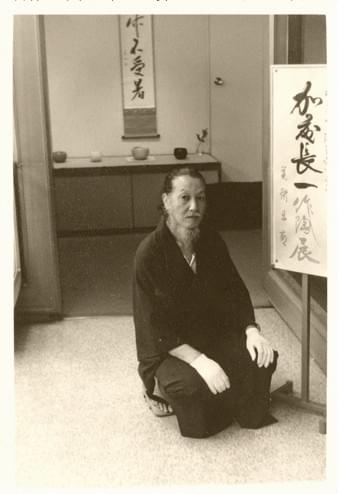
HANASENNIN
Painter and Raku Tea Bowl Artist
HANASENNIN
Painter and Raku Tea Bowl Artist

PROFILE : 花仙人とは(About Hanasennin)
Raku Tea Bowl / RAKU WARE Artist
花仙人(加藤長一)は、光悦風を追究し、
独自の楽焼技法を確立した楽茶碗の陶芸家です。東京美術学校(現・東京藝術大学)で洋画家・藤島武二に師事し、
戦後は藤沢で楽茶碗の制作に専念しました。轆轤を用いず、手のみで形づくられる茶碗は、
手に馴染む独自の質感と精神性を持ち、
多くの茶人や陶芸研究家から高く評価されています。Hanasennin (Nagakazu Kato) was a Raku ware artist
who developed his own Koetsu-inspired technique for creating tea bowls.
He studied Western-style painting under Takeji Fujishima at the Tokyo Fine Arts School
(now Tokyo University of the Arts) and devoted himself to creating Raku tea bowls in Fujisawa after World War II.
Shaped entirely by hand without a potter’s wheel, his bowls possess a distinctive tactile quality and spiritual depth,
and have received high praise from many tea practitioners and ceramics scholars.

人物と歩み|Life & Background
新宿・角筈に生まれ、絵画の道へ。
Born in Tsunohazu, Shinjuku—A Life in Art
川端画学校から、東京美術学校・藤島教室へ。
From Kawabata Art School to Takeji Fujishima’s Studio
大正6年(1917年)8月4日、加藤長一は現在の東京都新宿区にあたる角筈の旧家に生まれた。
東京府立第二中学校を卒業後、川端画学校で洋画を学び、1936年、東京美術学校(現在の東京藝術大学)油画科に入学。近代日本洋画を代表する画家・藤島武二の教室で学んだ。
Nagakazu Kato was born on August 4, 1917, into an established family in Tsunohazu, an area now part of Shinjuku, Tokyo.
After graduating from Tokyo Prefectural Second Middle School, he studied Western-style painting at Kawabata Art School.
In 1936, he entered the Department of Oil Painting at Tokyo Fine Arts School, now Tokyo University of the Arts,
where he studied in the studio of Takeji Fujishima, one of the leading figures in modern Japanese Western-style painting.
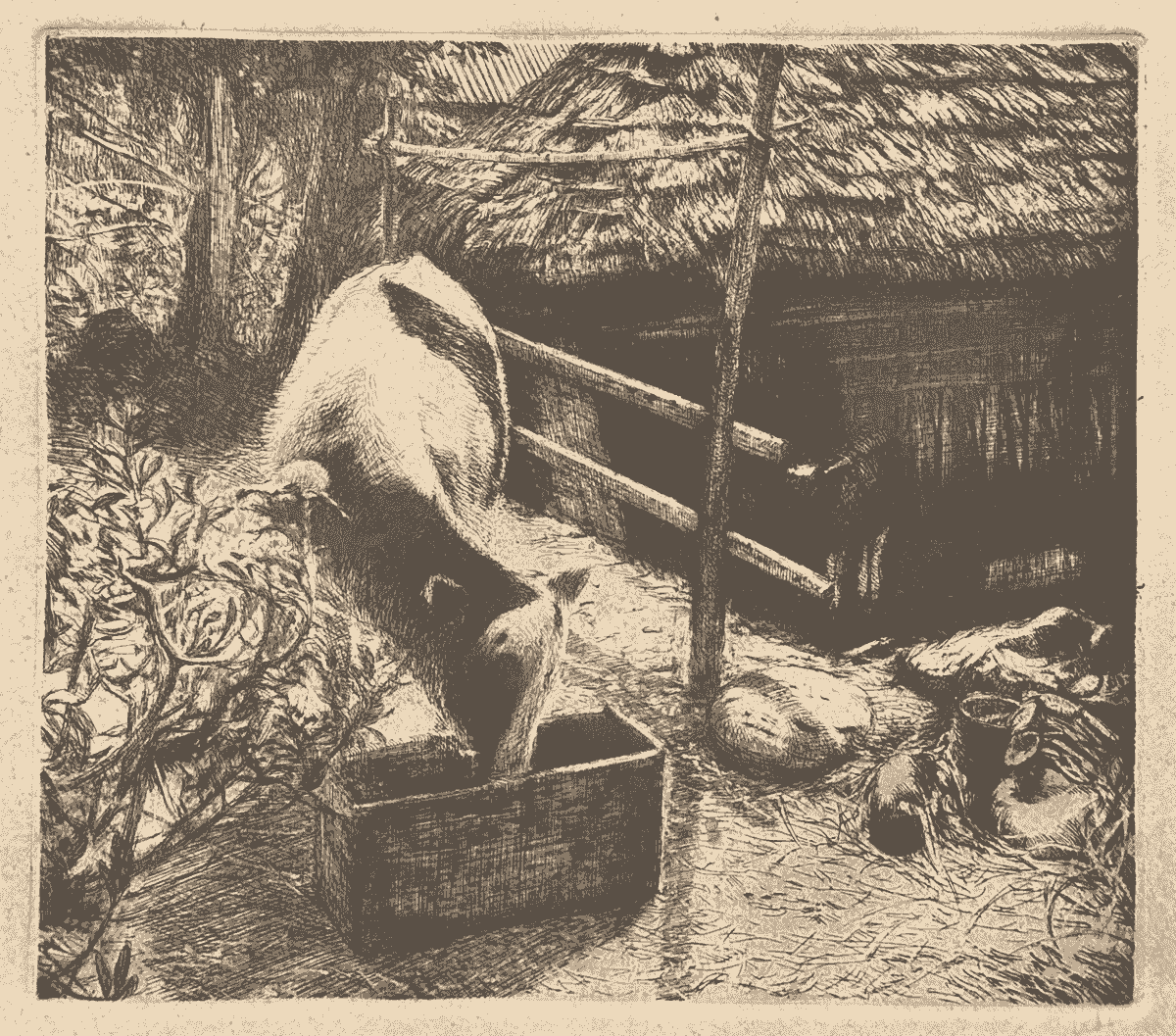
知られざる、若き版画家としての歩み。
The Little-Known Story of a Young Printmaker
銅版画で入選を重ね、日本版画協会会員へ。
From Exhibition Selections to Membership in the Japan Print Association
東京美術学校在学中、加藤長一は油画と並行して銅版画の制作に取り組んだ。
1940年、第9回日本版画協会展に《すみだ川》が初入選。
翌1941年の第10回展には《牛(一)》《牛(二)》、
1942年の第11回展には《麦と女》を出品した。
しかしながら、大学卒業後すぐに第二次世界大戦に徴兵され、中国へ出征。
1944年、中国への出征中に日本版画協会会員へ推挙される。
版画家として歩みを進めていたその創作活動は、戦争によって中断された。
長く所在不明と考えられていた《牛(一)》《牛(二)》は、現在も家族のもとに遺されている。
While studying at Tokyo Fine Arts School, Nagakazu Kato pursued copperplate printmaking alongside oil painting.
In 1940, his work Sumida River was selected for the 9th Japan Print Association Exhibition, marking his first acceptance into the exhibition. At the 10th exhibition in 1941, he presented Ox (I) and Ox (II), followed by Wheat and Woman at the 11th exhibition in 1942.
However, shortly after graduating, he was conscripted into the military during World War II and sent to China.
In 1944, while still serving in China, he was elected to membership in the Japan Print Association.
His emerging career as a printmaker was interrupted by the war.
Ox (I) and Ox (II), whose whereabouts had long been unknown, have survived and remain in the care of his family today.

第二次世界大戦で全てを失ったものの、樂と出会う。
After Losing So Much to the War, He Found Raku
戦後、焦土のなかからの再出発。
A New Beginning from the Ashes of War
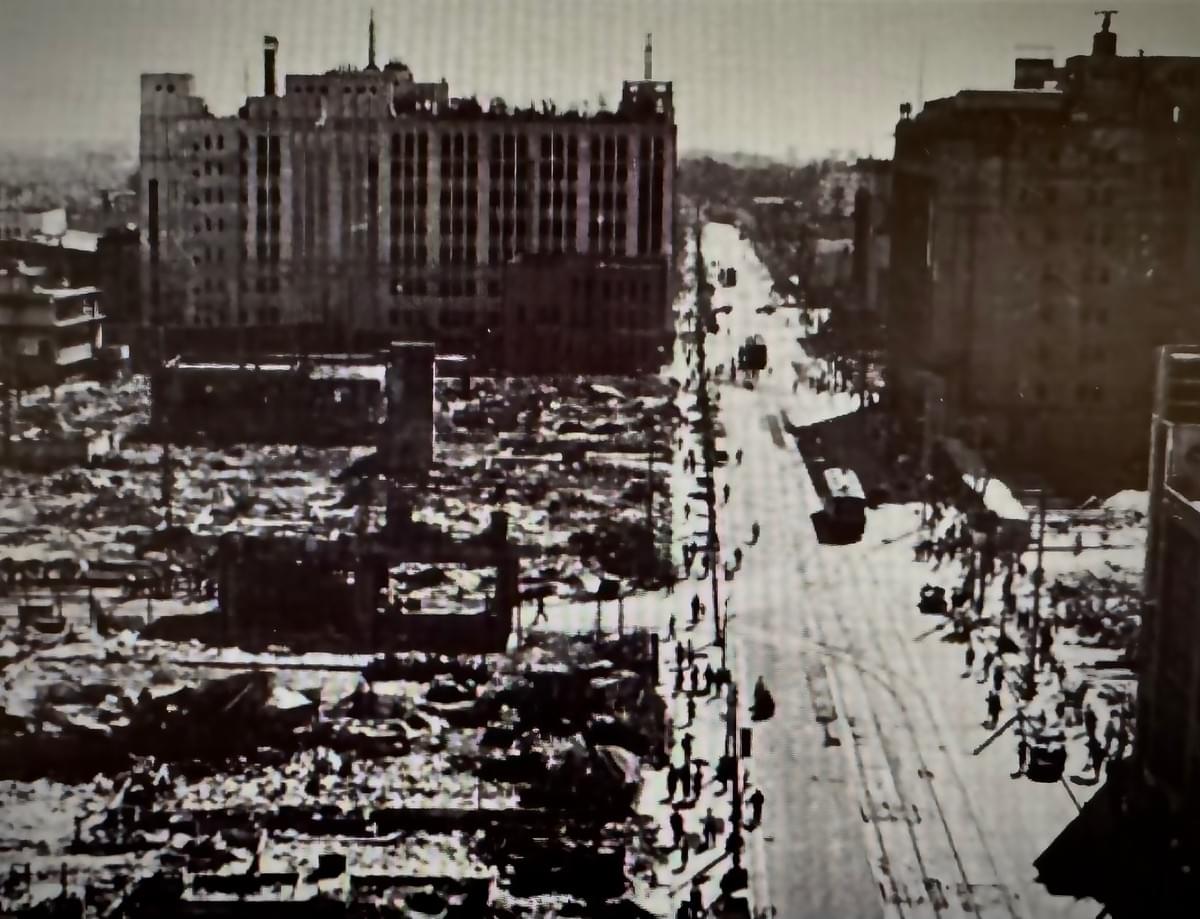
終戦後の1945年9月に除隊し、新宿の実家へ戻ったとき、新宿の実家と、
それまでに大切にしていた油画の大部分が関東の大空襲で焼失したことを知る。
外部に預けられていた一部の油画だけが、焼失を免れていた。
ほぼ全ての油絵作品も失い、師匠の藤島先生も亡くなり、
失意のどん底で後に結婚相手となる花子に出会う。彼女との結婚を機に、藤沢市鵠沼に移住。
ただ、戦争のPTSDにより油絵が描けなくなってしまう。
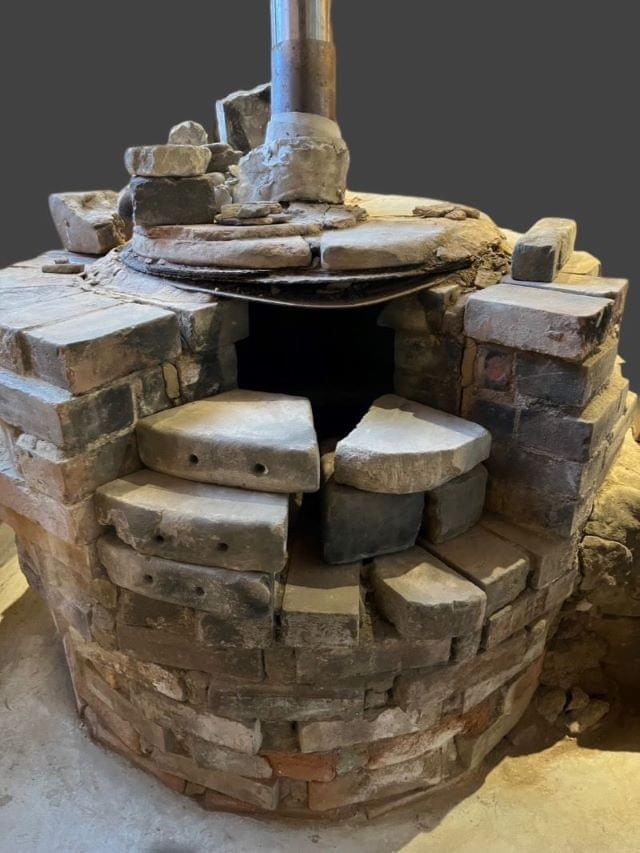
妻花子の『陶芸をやってみたら?』との言葉から、鵠沼の自宅にて楽窯を立ち上げる。
After the war, he was discharged in September 1945. When he returned to his family home in Shinjuku, he learned that the house and most of the oil paintings he had treasured had been destroyed in the air raids on Tokyo. Only a small number of paintings that had been stored elsewhere survived. Having lost nearly all of his oil paintings, and with his mentor, Takeji Fujishima, having passed away while he was gone, Nagakazu fell into profound despair. In the depths of despair, he met Hanako, whom he later married.
After marrying Hanako, he moved to Kugenuma, Fujisawa City. However, due to the PTSD of the war, he could no longer paint in oil. Hanako, his wife, suggested that he try ceramics, and he started Raku Kiln at his house in Kugenuma.
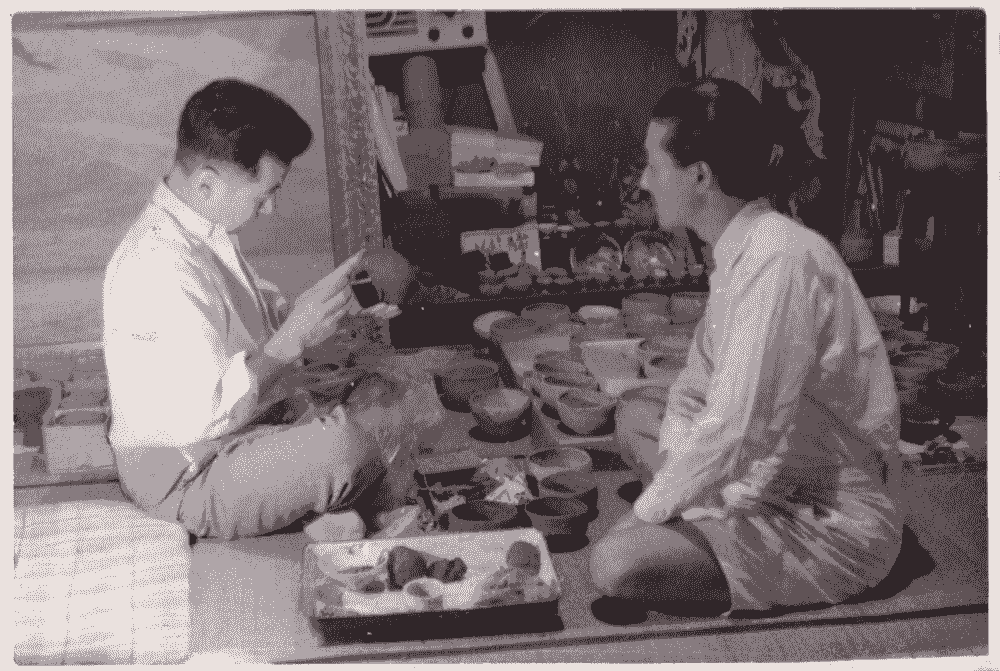
東京美術学校から続く縁|A Bond Forged at Tokyo Fine Arts School
運命的な友情が紡いだ、樂への挑戦。
A Fateful Friendship and the Challenge of Raku
筆から手のひらへ…道具からの解放。
From Brush to Palm—Freedom from Tools
同じ東京美術学校の同級生であり、戦時中の舞台でも偶然同じ斑だった吉田耕三(日本画家の速水御舟の義子であり、後に美術評論家となる)より、楽茶碗作陶の指導を受ける。粘土は地元の遊行寺、江の島、鎌倉の青粘土や白粘土を使用。
He received instruction in making Raku tea bowls from Kozo Yoshida (who was the son-in-law of the Japanese painter Gyoshu Hayami, and later became an art critic), who was also his classmate at the Tokyo University of the Arts and happened to be in the same spot on the stage during the war. He used local blue and white clay from Yugyoji, Enoshima, and Kamakura.

光悦を追求し、唯一無二の技法へ。
In Pursuit of Kōetsu, He Created a Technique of His Own
手のひらだけで茶碗を生み出す才覚。
Tea Bowls Shaped Entirely in the Palm
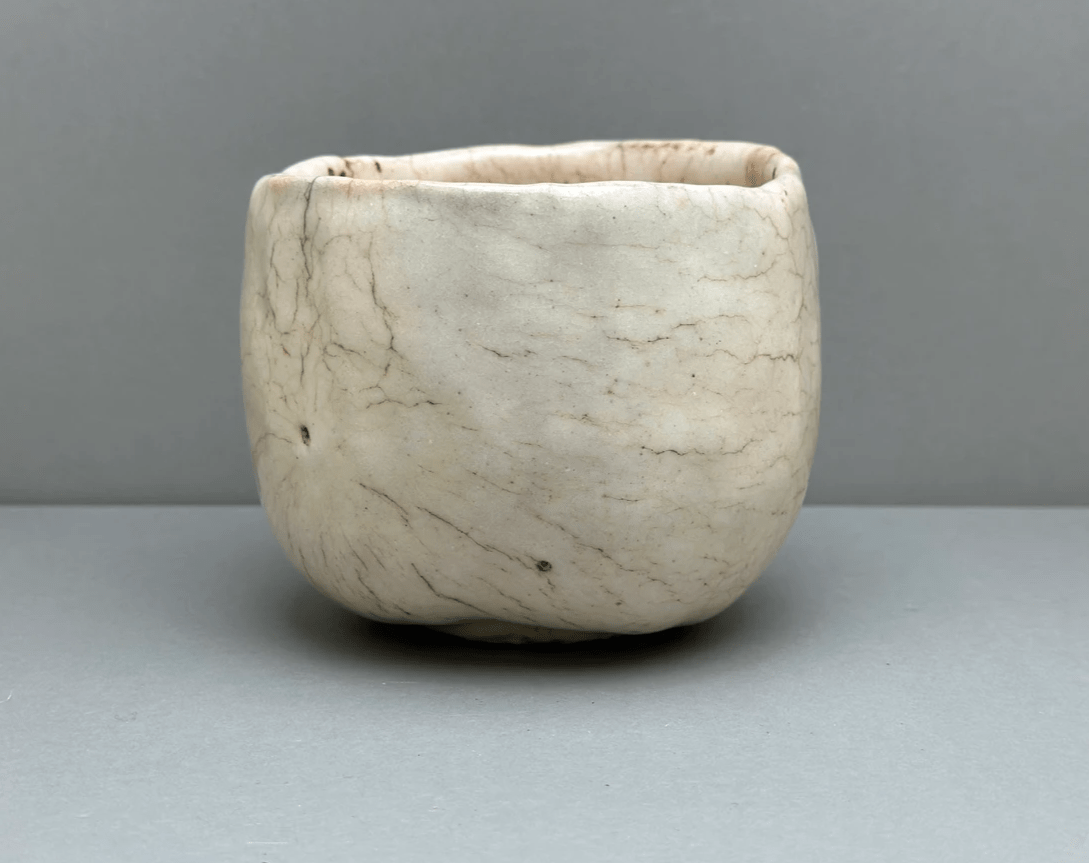
彼の楽茶碗の質感は油絵の影響もあり、光沢があるものが多く、
ただ彼の作品の凄いところは、独自に編み出したその技法にある。
物理の法則を利用して、
手のひらだけでとろりと流れる粘土をひっくり返し茶碗を創り出す様は、
まさに神業だ。
その技法のおかげで、奥行きが深く、とても点てやすく、
包み込まれるようなあたたかみが表現されている。
また、厳選した粘土を使用することで、見た目には大きくても、軽い作品が多い。
その極めた技法は、当時、数人の弟子に伝えた。
そして、その創作の現場に長く寄り添い、
花仙人の制作を信頼とともに支え続けてきたのが太田幸男である。彼は、その技と精神を間近で見続けてきた数少ない存在であり、
花仙人の創作の記憶を今に伝える証人でもある。The texture of his Raku bowls is often glossy, partly due to the influence of oil painting, and the main artists who influenced him were Chojiro and Koetsu. However, the great thing about his work is the technique that he developed uniquely.
Using the laws of physics, he creates a tea bowl by turning over the flowing clay with just the palm of his hand,
a truly divine feat.
Thanks to this technique, the depth of the bowl is deep, it is very easy to pour,
and the warmth of the bowl is expressed as if it is wrapped around you.
In addition, by using carefully selected clay, many of his works are lightweight,
even though they may look large.
His mastery of the technique was passed on to several apprentices at the time.
And it was Yukio Ota who stood closely alongside him at the site of creation,
supporting Hanasennin’s work with deep trust over many years.
He is one of the few who witnessed his techniques and spirit firsthand,
and serves as a living witness to the creative legacy of Hanasennin.
十代大樋長左衛門をも唸らせた、花仙人の樂茶碗。
Hanasennin’s Raku Bowls, Praised by Tenth-Generation Ōhi Chōzaemon
歴史に埋もれていた才能の発掘。
Rediscovering an Artist Lost to History
死後、陶磁器研究家で長次郎や光悦の楽茶碗を日本で一番鑑定してきた林屋晴三と、石川県金沢市にある、350年の歴史と伝統を持つ楽焼・大樋焼の十代、大樋長左衛門にその出来栄えの素晴らしさを認められ、
世の中に存在を広めるべきだと言われる。
After his death, his work was recognized by Hayashiya Seizo, a leading ceramics researcher and one of Japan’s foremost appraisers of Raku tea bowls by Chojiro and Koetsu, as well as by Ohi Chozaemon X, the tenth-generation master of the 350-year-old Ohi ware tradition in Kanazawa, Ishikawa. They both spoke of its exceptional quality, emphasizing that it was work that deserved to be brought into the world.

長きにわたる、夢。
A Lifelong Dream
平和に対する、永遠に変わらぬ想い。
An Enduring Wish for Peace
20年近く作陶活動を続け、自宅の窯にて1000点近い作品を完成させた。
自作の茶碗で、全世界の人々を集めて平和なお茶会をすることが夢であり、願いだった。
花仙人は、表舞台で語られる存在ではなかった。
しかし、その作品と姿勢は、
既存の価値観や枠組みの外側で、
静かに人の内面へと作用し続けていた。
一部の人にとっては、
忘れがたい影響を残す存在であり、
まるで“地下に潜りながらも光を放ち続けるような”表現者であった。He has been active in pottery making for nearly 20 years and has completed nearly 1,000 pieces in his home kiln.
His dream and wish was to gather people from all over the world for a peaceful tea ceremony using his own raku wares.
Hanasennin was not a figure of the mainstream.
Yet his work and presence operated quietly beyond established frameworks,
continuing to resonate deeply within those who encountered it.
For some, he became an unforgettable influence—
an artist who, like an underground force,
remained out of sight while continuing to emit a quiet, enduring light.


CONNECT WITH US