


HANASENNIN
Painter, Printmaker, and Raku Tea Bowl Artist
HANASENNIN
Painter, Printmaker, and Raku Tea Bowl Artist
花仙人の楽茶碗について
Raku Tea Bowls — A Vessel Born from the Hand
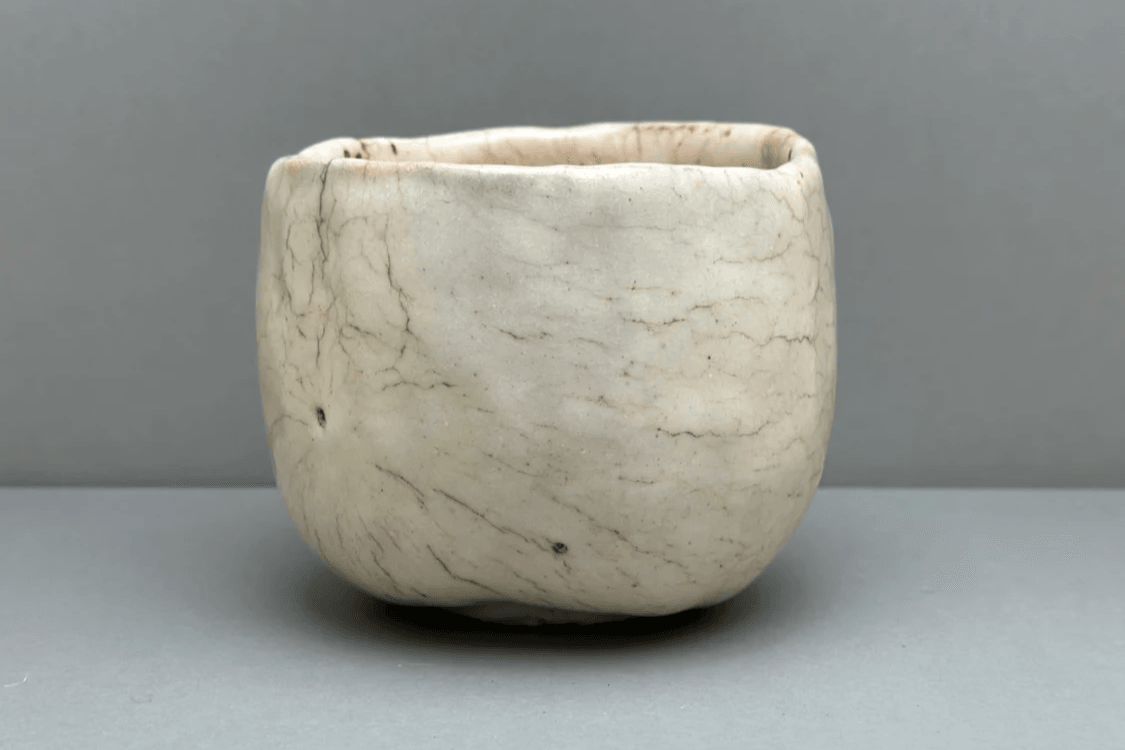
楽茶碗は、16世紀・安土桃山時代に京都で生まれた、日本独自の茶碗です。
茶の湯を大成した千利休の思想を受け、初代・長次郎によって創始されました。
Raku tea bowls are a uniquely Japanese form of ceramic art
that originated in Kyoto in the late 16th century,
during the Momoyama period.
They were created under the guidance of Sen no Rikyū,the master who shaped the philosophy of the Japanese tea ceremony,
and first realized by the potter Chōjirō.
花仙人の楽茶碗の最大の特徴は、ろくろを使わず、すべて手で形づくられることです。
土の塊を両手で包み込むように成形するため、ひとつとして同じ形は生まれません。
歪みや揺らぎをそのまま受け入れる姿は、
自然や人の手の痕跡を尊ぶ、茶の湯の精神そのものです。
Unlike wheel-thrown ceramics, Hanasennin’s
Raku tea bowls are entirely hand-shaped.
The clay is formed directly by the potter’s hands, without mechanical tools.Because of this, no two bowls are ever the same.
Each piece carries subtle irregularities
—soft distortions, asymmetry, and traces of touch—
that reflect the Japanese aesthetic of wabi-sabi:
beauty found in imperfection and transience.
成形はおよそ10分ほどで行われますが、その短時間の中に茶碗の本質的な形が決まります。
その後、自然乾燥を経て、冬の乾いた晴天の日に素焼きと本焼きを行います。
本焼きでは、赤く熱した茶碗を窯から取り出し、水に浸すことで独特の表情が生まれます。
The shaping of a bowl takes only a short time—often just minutes—but within that moment, the essential character of the bowl is decided.
After drying naturally, the bowl is fired using a traditional Raku technique: removed from the kiln while glowing hot and immersed in water, allowing the surface to develop its distinctive texture and depth.楽茶碗は、技術で均一さを追求する器ではありません。
むしろ、手の感覚と土の応答が生む「一碗一会」を大切にする器です。
使う人の手に自然と馴染み、静かな時間を生み出すことこそが、
楽茶碗の本質的な魅力なのです。
Raku tea bowls are not objects
meant for uniformity or technical perfection.
They are vessels created for quiet encounters—between hand and clay, tea and drinker.
Each bowl exists as a once-in-a-lifetime meeting,inviting the user into a moment of stillness, warmth, and reflection.
花仙人は、粘土を「流れる素材」として捉え、
流体力学の原理を応用した
独自の茶碗成形法を考案しました
Hanasennin pioneered a unique method of forming Raku tea bowls
by applying the principles of fluid dynamics to soft clay
花仙人が遺した「手で点てる時間」という思想は、
現代において新たなかたちで再解釈されています。
▶︎ WACHAにおける花仙人の思想を見るThe idea of “time created by one’s own hands”
continues to evolve today.
▶︎ Explore how this philosophy lives on in WACHA
© All Rights Reserved 2026
プライバシーポリシー